Heat Pump vs. Central AC: Which Air Conditioner Services Are Best for Modern Homes?
Homeowners seeking optimal year-round climate control face a defining choice between dual-function heat pumps and traditional central air conditioning networks. With rising utility tariffs and a growing emphasis on environmental responsibility, thoroughly evaluating how these distinct technologies manage indoor thermal comfort is essential. Modern engineering advances have made both equipment options remarkably capable, yet their core mechanical operations differ in fundamental ways that directly dictate daily energy usage, operating reliability, seasonal efficiency, and long-term household expenditure.
Selecting the right strategy requires analyzing multi-year operational performance alongside upfront equipment acquisition and installation demands. By carefully examining system heating and cooling capacities, regional weather suitability, structural ductwork compatibility, and long-term operational upkeep, property owners can determine which technology aligns best with their lifestyle requirements. Utilizing certified air conditioner services ensures that whichever climate control path is chosen, the equipment will be sized precisely, installed flawlessly, and maintained expertly to deliver maximum indoor comfort and peak thermodynamic efficiency throughout its entire working lifespan.
Assessing Dual Performance Capabilities
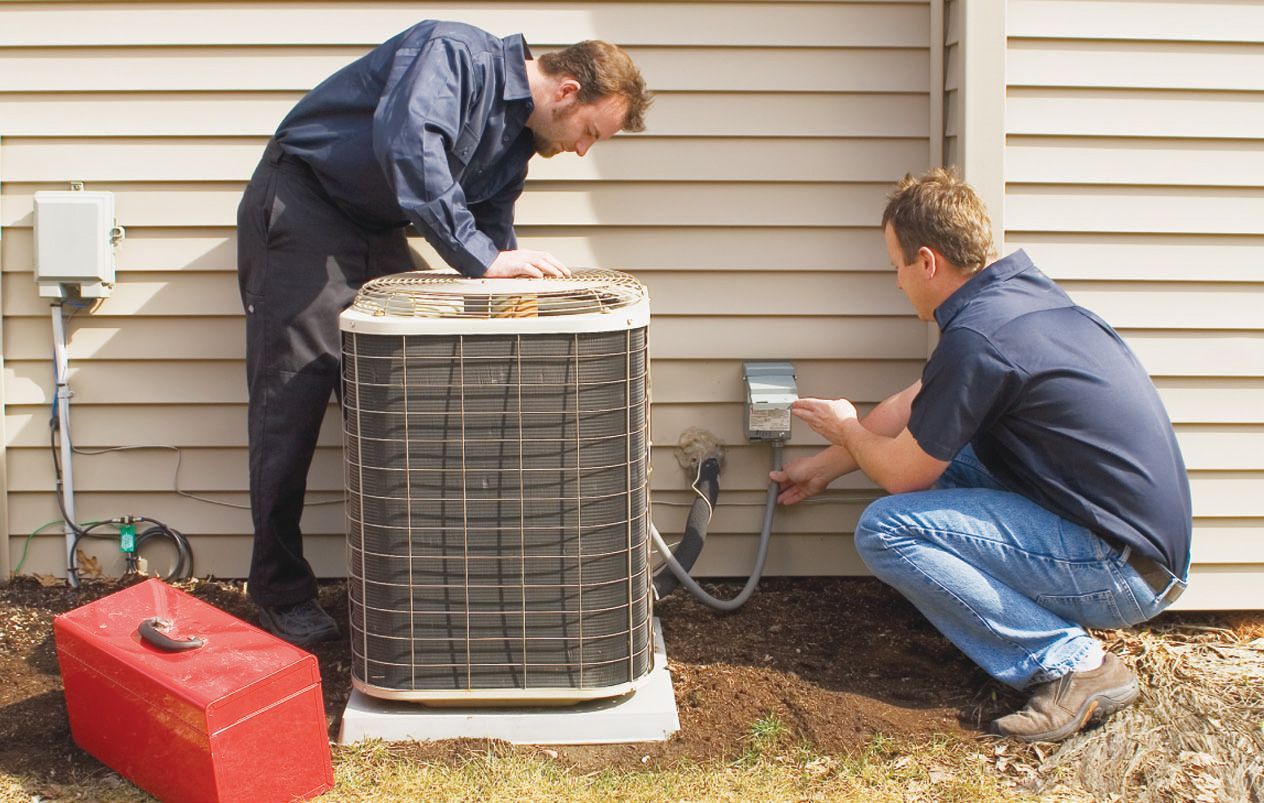
Heat pumps distinguish themselves within the HVAC industry by providing both comprehensive heating and rapid cooling through a single, highly adaptable refrigeration system. Rather than generating thermal energy directly through fossil fuel combustion or electrical resistance coils, these units function by continuously transferring existing thermal energy between indoor and outdoor environments. During warmer months, they absorb internal ambient heat and discharge it outdoors, while in colder periods, they reverse their internal refrigerant direction to collect outdoor environmental heat and concentrate it inside the home. Managing these multi-season operational demands requires specialized air conditioner services to keep reversing valves responsive, balance seasonal refrigerant charges, and prevent premature mechanical wear.
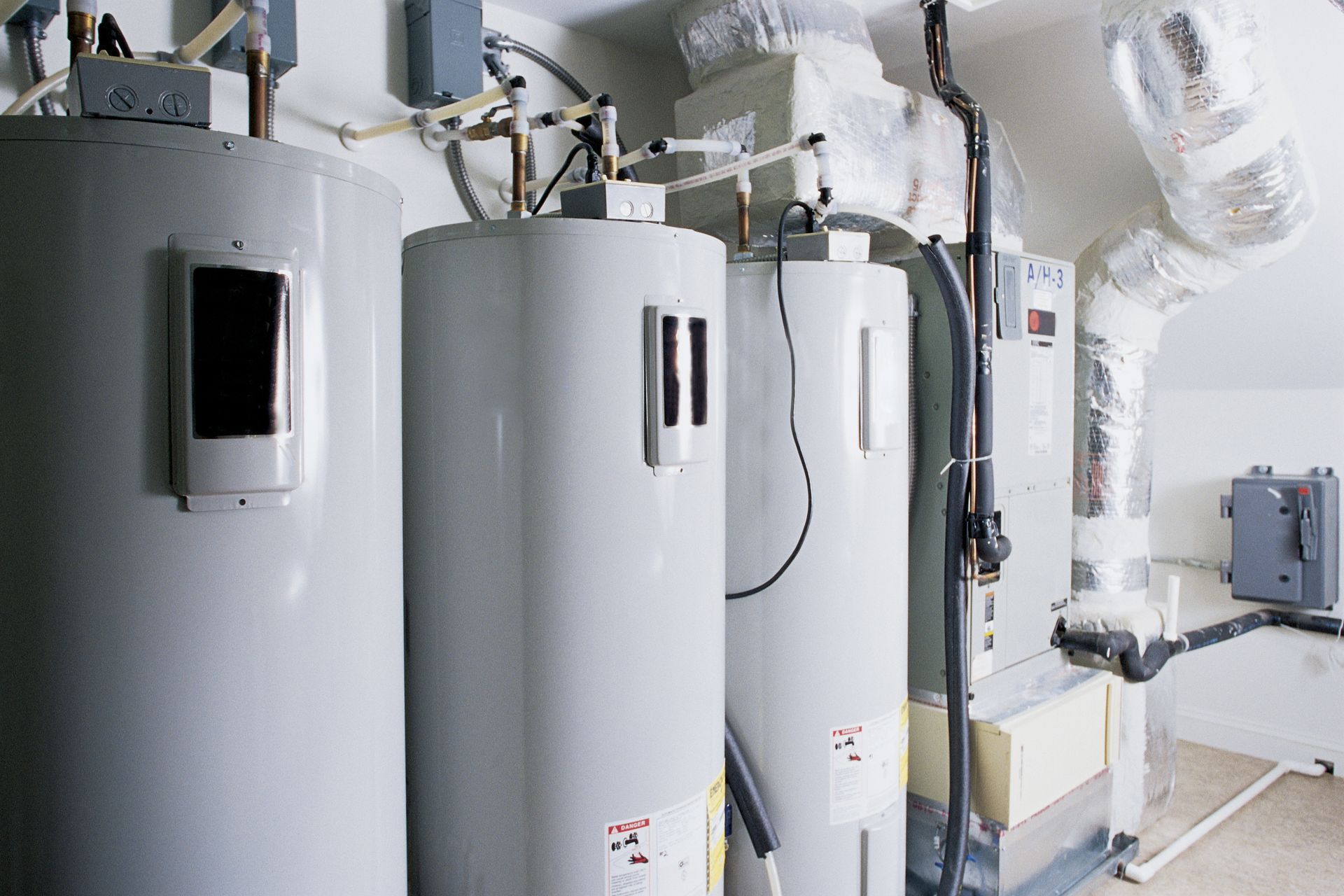
The primary engineering advantage of this technology lies in its ability to move significantly more heat energy than it consumes in electrical input. By utilizing modern variable-speed inverter compressors alongside intelligent electronic expansion valves, these systems adjust their output precisely to match real-time thermal loads while drawing minimal electricity. Relying on a single dual-purpose mechanical unit completely eliminates the need to buy and maintain a separate furnace and dedicated cooling unit, drastically simplifying the overall utility space footprint. This consolidated operational efficiency makes heat pump technology an exceptionally attractive solution for contemporary homes seeking continuous, highly optimized climate control across all four seasons.
Evaluating Overall Efficiency Gains
Because heat pumps transfer preexisting heat rather than generating it through active burning or high-resistance heating, they deliver exceptional seasonal efficiency that substantially lowers monthly utility expenses. The reduced electricity consumption translates into lower utility bills, which is a pivotal factor for many homeowners considering these systems. According to Sciencedirect.com, households with air conditioning units consume, on average, 36% more electricity than those without, underscoring the need for more efficient solutions like heat pumps. Additionally, many regions offer incentives and rebates for installing such energy-efficient systems, making them more accessible to the average homeowner.
Capturing these theoretical performance gains in practice requires precise heating and cooling load calculations, along with expert installation practices. Professional air conditioner services ensure that indoor air distribution, dynamic system pressure, and digital thermostat communication are fully integrated to achieve maximum seasonal performance ratings. Investing in high-efficiency dual-mode equipment shields households from volatile utility price fluctuations while delivering consistent indoor temperature stability. Over the life of the system, these accumulated operational savings offset initial equipment procurement expenditures while meaningfully advancing household environmental sustainability goals.
Analyzing Central Cooling Mechanics
Traditional central air conditioning continues to serve as a reliable, highly effective choice for residences that feature established ductwork distribution networks. These systems operate by drawing warm, humid indoor air across an interior evaporator coil containing cold liquid refrigerant, which extracts sensible and latent heat before pumping the warmed refrigerant to an outdoor condenser unit for heat rejection. The newly chilled air is then actively pushed back through the home via supply ducts to maintain balanced comfort across every room. Preserving the structural integrity and internal cleanliness of these distinct components requires scheduled air conditioner services, which clean coil fins, flush drain lines, and keep electrical contacts free from resistance-building debris.
Modern central cooling units incorporate advanced two-stage scroll compressors and variable-speed interior fan motors to maintain steady relative humidity levels and consistent room temperatures without creating excessive operational noise. While central cooling units do not provide winter heating capability, their dedicated refrigeration design allows them to manage severe, prolonged summer heatwaves with exceptional mechanical stability. When properly paired with a high-efficiency gas furnace or electric air handler, a well-engineered central air setup offers dependable, high-capacity climate control designed to keep expansive residential spaces cool and comfortable.
Understanding Ductwork and Infrastructure
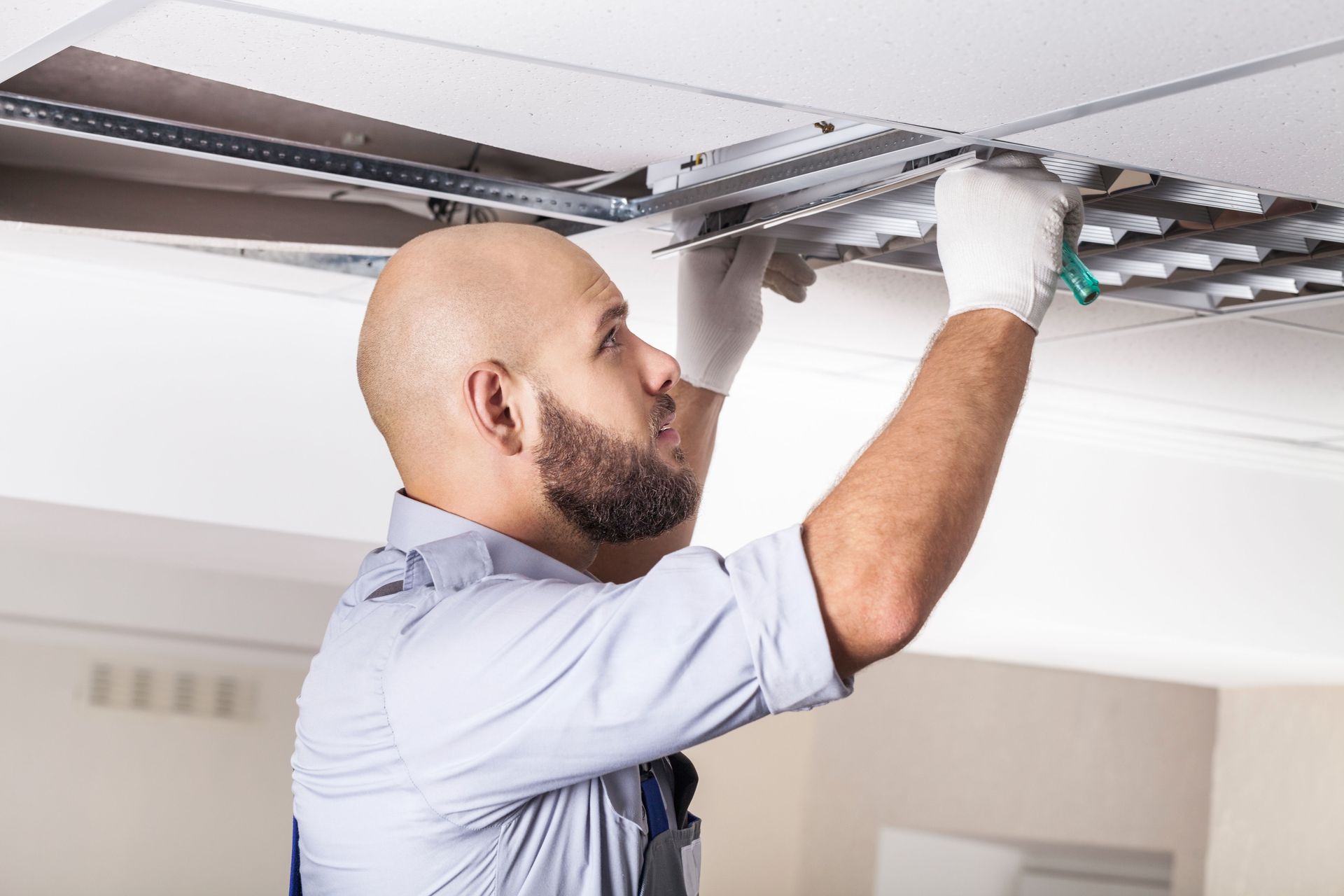
The real-world operating efficiency of a central cooling system depends heavily on the structural condition and design layout of the underlying air delivery channels. Damaged, uninsulated, or incorrectly sized duct networks can lose a huge percentage of conditioned air to unconditioned attics, crawlspaces, or wall cavities, driving up electrical consumption and causing frustrating temperature imbalances between rooms. Arranging routine air conditioner services enables qualified HVAC technicians to perform comprehensive duct static pressure tests, seal minor seams, and verify that total system airflow stays perfectly balanced across every single supply register.
For properties lacking preinstalled ductwork, retrofitting complete air distribution channels can require substantial structural renovations and significant initial financial investment. In these scenario configurations, property owners must carefully weigh the total expense of adding comprehensive duct networks against alternative options like multi-zone ductless mini-splits. However, if existing sheet metal or flex ducting is already intact, structurally sound, and clean, installing an updated high-efficiency central cooling unit provides a straightforward, cost-effective path to upgraded indoor comfort and vastly improved indoor air filtration.
Comparing Financial and Upkeep Requirements
Determining the total lifetime cost of ownership involves balancing original equipment procurement expenses, professional installation labor, and ongoing preventive servicing schedules. While multi-season heat pump units may carry higher upfront equipment price tags, they eliminate the financial requirement of purchasing two separate mechanical systems to handle winter heating and summer cooling needs. Dedicated central cooling units frequently present lower initial equipment expenditures, provided that the home's pre-existing ductwork infrastructure requires no extensive redesigns or structural repairs. Comprehensive air conditioner services are crucial for protecting both types of equipment investments, providing targeted preventive tune-ups that catch small mechanical issues before they turn into costly component failures.
Comprehensive preventive servicing protocols generally include clearing condensate drain pans, deep cleaning indoor evaporator coils, checking electrical capacitor tolerances, and testing motor amp draws under full operational load. Annual preventive checkups help ensure that cooling and heating equipment maintains its original factory efficiency ratings year after year. By placing a high priority on routine professional servicing and selecting correctly sized HVAC equipment tailored specifically to local weather conditions, homeowners secure long-term system reliability, maintain reduced utility costs, and enjoy superior indoor comfort in every season.
Selecting the ideal home climate system depends on evaluating your property's current duct infrastructure, local climate severity, and overall long-term energy budget. Whether you decide to transition to an all-in-one heat pump setup or upgrade an existing central air configuration, professional sizing and installation remain essential to achieving long-term energy savings and optimal indoor comfort. For expert advice, precision heat load calculations, and comprehensive
air conditioner services tailored directly to your home's unique layout, contact the experienced team at IHC Heating & Cooling LLC today.
Investing in top-tier, high-efficiency cooling and heating technology significantly elevates daily indoor comfort while keeping monthly electrical usage manageable for many years. Regular professional tune-ups ensure your system operates at peak thermodynamic efficiency through every extreme weather shift. Contact us now to schedule your comprehensive home comfort consultation and start building a more energy-efficient household climate today.





Share On: